PAY ONLINE
Dental Problems Can Invisalign Treatment Correct?

Posted By: Boyd Family Dentistry | September 2, 2026
Crooked, crowded, or poorly positioned teeth can affect more than the appearance of your smile. Depending on the problem, they may make brushing and flossing more difficult or affect how your upper and lower teeth come together. Fortunately, several common orthodontic concerns can be improved with clear orthodontic treatment, including options such as Invisalign. Understanding which problems may be treated can help you decide whether this approach is worth discussing with your dentist.
Crowded Teeth
Crowding happens when there is not enough room for all the teeth to sit properly. Teeth may overlap, rotate, or become pushed toward the front or back of the mouth. In addition to changing the appearance of your smile, crowded areas can be harder to clean thoroughly.
Clear orthodontic treatment can gradually move crowded teeth into better positions when the condition is suitable for this approach. The amount of crowding and the overall condition of your teeth will help determine whether this treatment is appropriate.
Gaps Between Teeth
Spaces between teeth can occur naturally or develop as teeth shift over time. Some gaps may be small and isolated, while others can involve several teeth.
Treatment can gradually reduce certain spaces by moving the teeth closer together. Closing unwanted gaps can create a more even-looking smile and may also improve the overall relationship between neighboring teeth.
Before treatment begins, your dentist will evaluate the cause and size of the spaces. This is important because the best approach can vary depending on the individual situation.
Overbite
An overbite occurs when the upper front teeth overlap the lower front teeth more than expected. A certain amount of overlap is normal, but a pronounced overbite may affect how the teeth function together.
In appropriate cases, Invisalign treatment may help improve the position of the teeth and contribute to a more balanced bite. The severity of the overbite is one of the factors your dentist will consider when determining whether this option is suitable.
Underbite
With an underbite, the lower front teeth extend in front of the upper front teeth when the mouth is closed. Depending on its severity and underlying cause, an underbite can influence chewing and overall bite function.
Some mild cases may respond well to clear orthodontic treatment. More complicated cases may require a different approach, which is why an individual assessment is important before deciding on treatment.
Crossbite
A crossbite occurs when one or more upper teeth sit inside the corresponding lower teeth when biting down. It can affect a single tooth or several teeth.
In suitable cases, treatment may help reposition the affected teeth and improve how the upper and lower teeth meet. Correcting a crossbite can also contribute to a more balanced smile and make certain areas easier to maintain.
Open Bite
An open bite occurs when certain upper and lower teeth do not touch when the mouth is closed. Depending on the location and severity, it may affect biting into foods, chewing, or speech.
Some open-bite cases can be addressed with Invisalign treatment. However, the cause of the condition and the patient’s overall bite must be considered before selecting a treatment method.
Teeth That Have Shifted
Teeth can gradually move over the years, including in people who previously completed orthodontic treatment. This movement can create new spacing, crowding, or changes in the way the teeth fit together.
For some patients, clear orthodontic treatment can help reposition teeth that have shifted. This may be particularly relevant for adults who notice that their smile no longer looks the way it did after previous orthodontic treatment.
Can These Problems Be Treated Without Traditional Braces?
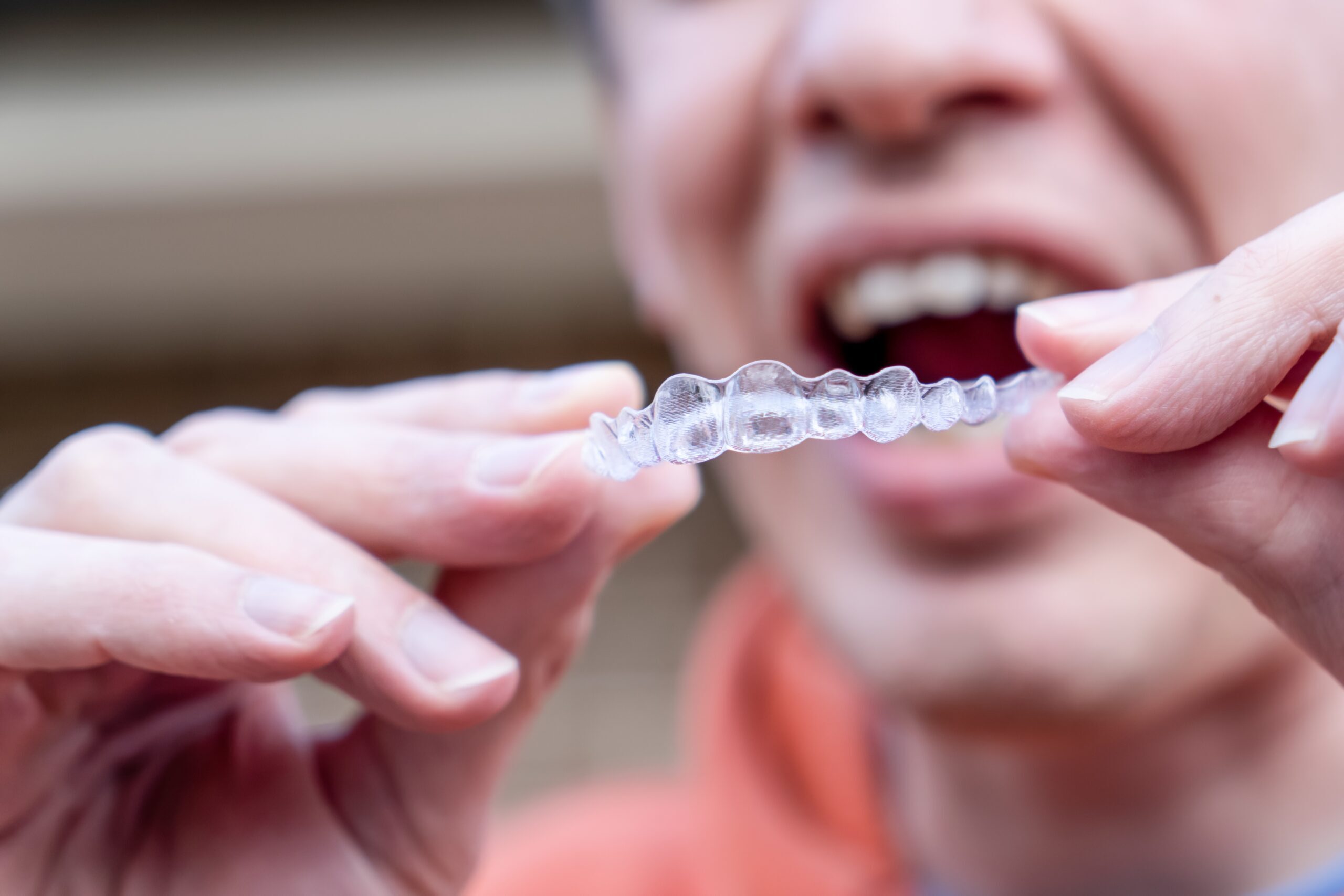
One of the reasons patients consider Invisalign in Owasso is that it provides a more discreet alternative to traditional braces. Instead of visible metal brackets and wires, treatment uses a series of customized clear appliances designed to gradually guide the teeth toward planned positions.
However, discreet treatment does not automatically mean it is suitable for every orthodontic problem. Complex cases, significant bite issues, or concerns involving the underlying jaw structure may require other forms of orthodontic care.
A consultation allows your dentist to look at your specific condition rather than relying on general information about what the treatment can do.
What Determines Whether Treatment Is Appropriate?
Several factors can influence whether a patient is a good candidate. Your dentist may consider:
- The degree of crowding or spacing
- The position and condition of individual teeth
- Your bite relationship
- Gum and overall oral health
- Previous orthodontic treatment
- The complexity of the desired tooth movement
- Your personal treatment goals
This evaluation helps ensure that the recommended treatment addresses the actual dental concern rather than focusing only on cosmetic improvement.
At Boyd Family Dentistry, discussing your goals and concerns during a consultation can help you understand which treatment options may be appropriate for your smile.
More Than Just a Straighter Smile
Improving tooth position can have benefits beyond appearance. Teeth that are positioned more evenly may be easier to brush and floss, which can make daily oral hygiene more manageable. Addressing certain bite concerns may also improve how the teeth function together.
That does not mean every patient needs orthodontic treatment. If your teeth are healthy and functioning well, treatment may not be necessary simply for cosmetic reasons. A professional evaluation can help you understand whether correcting your specific concern would provide meaningful benefits.
Discuss Your Smile Goals
If crooked teeth, gaps, or bite concerns are affecting your smile, you do not have to determine the right treatment on your own. A professional evaluation can identify the underlying concern and help you understand your options.
Contact us to schedule a consultation and find out whether Invisalign treatment is appropriate for your dental needs.
Frequently Asked Questions
1. What dental problems can Invisalign treat?
It may be used for certain cases of crowding, spacing, overbite, underbite, crossbite, open bite, and teeth that have shifted. Treatment suitability depends on the severity and cause of the problem.
2. Can crowded teeth be treated with clear orthodontic treatment?
Yes. Certain mild to moderate cases of crowding can be improved by gradually moving teeth into more suitable positions. More complex crowding may require another treatment approach.
3. Can gaps between teeth be closed?
Certain spaces can be reduced with orthodontic treatment. Your dentist will evaluate the size, location, and cause of the gaps before recommending a treatment option.
4. Can Invisalign improve an overbite?
In appropriate cases, it can help improve tooth positioning associated with an overbite. The severity of the condition and the patient’s overall bite are important considerations.
5. Can teeth shift back after orthodontic treatment?
Yes. Teeth can move over time after previous orthodontic treatment. Retention is important for maintaining results, and some patients may benefit from additional treatment if noticeable shifting occurs.
6. How can I find out if I am a candidate?
The best way to determine candidacy is through a dental evaluation. Your dentist can examine your teeth and bite, discuss your goals, and recommend the treatment approach that best fits your needs.