PAY ONLINE


What Should You Know Before Getting Professional Teeth Whitening?


Posted By: Boyd Family Dentistry | September 25, 2026
A brighter smile can make you feel more confident when you smile, speak, or take photographs. However, professional teeth whitening is not simply about choosing a shade and applying a whitening product. Your current tooth color, the type of discoloration, existing dental work, and overall oral health can all affect your treatment and results. Understanding these factors before treatment can help you have more realistic expectations and make a more informed decision.
Professional whitening can be an effective cosmetic option for many people, but it is important to determine whether it is appropriate for your particular smile before getting started.
Your Teeth Should Be Healthy Before Whitening
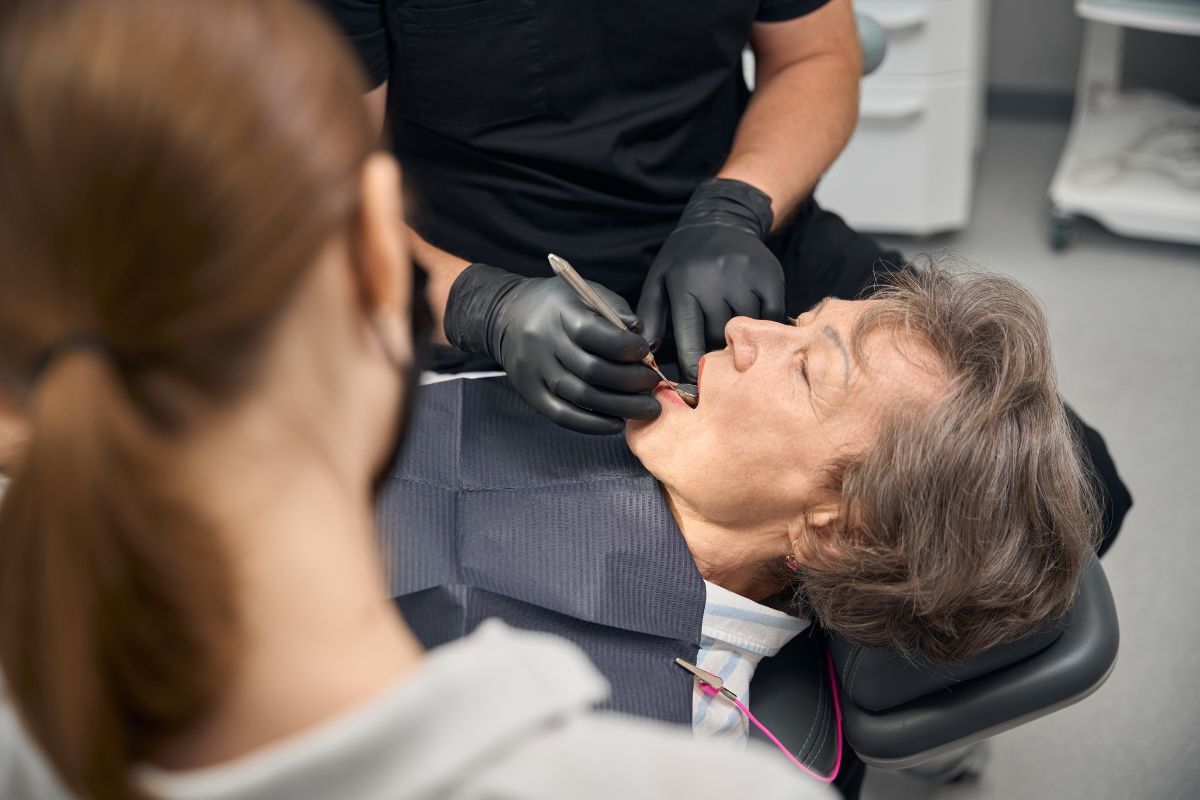
One of the first things to consider is the condition of your teeth and gums. Cavities, damaged teeth, gum problems, or other dental concerns may need attention before cosmetic whitening.
Whitening products are designed to lighten natural tooth structure. If you have untreated dental problems, your dentist may recommend addressing those concerns first. This helps ensure that cosmetic treatment is performed on a healthy foundation.
A dental evaluation can also help identify the reason behind changes in tooth color. Not every type of discoloration responds in the same way to whitening, so understanding the cause is an important first step.
Not All Tooth Stains Respond the Same Way
Tooth discoloration can happen for different reasons. Coffee, tea, certain foods, tobacco, and other habits can contribute to surface staining over time. Natural aging can also make teeth appear darker or more yellow.
Some stains are located primarily on the outside of the teeth and may respond well to professional whitening. Other discoloration can be deeper within the tooth and may not improve as much with conventional whitening.
During your consultation, your dentist can assess your tooth color and discuss what level of improvement may be realistic.
Existing Dental Work May Not Change Color
An important consideration before Teeth Whitening is whether you have crowns, veneers, fillings, or other restorations that are visible when you smile.
Whitening treatment works on natural teeth and does not necessarily lighten existing dental restorations. If you whiten your natural teeth while having restorations that match your current shade, the teeth and restorations could appear different afterward.
Your dentist can evaluate your existing dental work and discuss how whitening may affect the overall appearance of your smile. In some situations, the timing of cosmetic treatments may need to be considered carefully.
Tooth Sensitivity Is Possible
Some people experience temporary tooth sensitivity during or after whitening. The likelihood and intensity can vary from one person to another.
If you already have sensitive teeth, let your dental team know before treatment. Your dentist can consider your sensitivity when recommending a whitening approach and provide guidance for managing temporary discomfort if it occurs.
Sensitivity does not necessarily mean you cannot whiten your teeth. However, discussing it beforehand can help you understand what to expect and choose an appropriate treatment plan.
Professional Treatment Can Offer a More Personalized Approach
Over-the-counter whitening products are widely available, but professional treatment allows your dentist to evaluate your individual dental needs before recommending an approach.
Rather than assuming the same product or treatment will work for everyone, your dental team can consider factors such as your current tooth shade, stain type, dental health, sensitivity, and cosmetic goals.
At Boyd Family Dentistry, a consultation can help determine whether professional whitening is appropriate for your smile and what type of results you may reasonably expect.
Know What Results to Expect
It is natural to want a dramatically brighter smile, but whitening results can vary. The final shade depends on your natural tooth color, the type of staining present, and how your teeth respond to treatment.
Professional whitening is intended to improve the appearance of natural teeth, not create an identical shade for every patient. Your dentist can discuss your starting shade and help establish realistic expectations before treatment begins.
It is also important to remember that whitening does not permanently prevent teeth from becoming stained again. Everyday habits, diet, aging, and oral hygiene can all influence the appearance of your smile over time.
What Can You Do Before Whitening?
Preparing for treatment does not have to be complicated. Start by maintaining regular brushing and flossing and keeping up with recommended dental visits.
If you have noticed a new or unusual change in tooth color, mention it to your dentist rather than assuming it is simply a cosmetic stain. A darker tooth may have a different cause that should be evaluated.
It can also be helpful to discuss your cosmetic goals before treatment. Whether you want a subtle improvement or a noticeably brighter smile, communicating your expectations can help your dentist recommend an appropriate approach.
Is Professional Whitening Right for You?
Professional whitening can be a good option for people who want to improve the appearance of naturally discolored teeth and have realistic expectations about the results. However, it may not be the best choice for every type of discoloration or every dental situation.
A consultation provides an opportunity to determine whether whitening can address your specific concern. Your dentist can also discuss alternative cosmetic options if whitening alone is unlikely to produce the result you want.
If you are considering Teeth Whitening in Owasso, an evaluation can help you understand your options before beginning treatment.
Brighten Your Smile With a Personalized Approach
Professional whitening can be an effective way to improve the appearance of natural teeth, but the best results begin with understanding your individual smile. A dental evaluation can help identify the cause of discoloration, assess your oral health, and determine whether whitening is the right cosmetic treatment for you.
If you are ready to explore your options for a brighter smile, contact Boyd Family Dentistry to schedule a consultation and discuss professional teeth whitening.
Frequently Asked Questions
1. Is professional teeth whitening safe?
Professional whitening is generally considered safe when performed appropriately and when your dentist determines that your teeth and gums are suitable for treatment. Following professional instructions can help minimize potential side effects.
2. Can teeth whitening remove all types of stains?
No. Whitening tends to work better on some types of discoloration than others. Surface stains may respond well, while deeper or certain internal discoloration may require a different cosmetic approach.
3. Will whitening make crowns or veneers whiter?
No. Whitening treatments primarily affect natural tooth structure. Crowns, veneers, and other restorations generally do not change color in the same way as natural teeth.
4. Will my teeth become sensitive after whitening?
Some patients experience temporary sensitivity after treatment. If you already have sensitive teeth, discuss this with your dentist before whitening so appropriate precautions can be considered.
5. How long do whitening results last?
Results are not permanent. The duration can vary based on diet, oral hygiene, lifestyle habits, natural aging, and other factors. Maintaining good oral care can help preserve your results.
6. Should I see a dentist before getting my teeth whitened?
A dental evaluation can be helpful before cosmetic whitening. It allows your dentist to check for cavities, gum concerns, damaged teeth, and the cause of discoloration before treatment is recommended.