PAY ONLINE
Are Dental Bridges Comfortable? What You Can Really Expect

Posted By: Boyd Family Dentistry | July 14, 2026
Missing teeth can affect much more than your appearance. They can change the way you chew, speak, and even how confident you feel during everyday conversations. If you’ve been thinking about replacing one or more missing teeth, you’ve probably wondered one important question: Will a dental bridge feel comfortable?
The good news is that modern dental bridges are designed to feel as natural as possible. While there is a short adjustment period, most patients quickly adapt and enjoy the comfort and function of a fully restored smile.
If you’re considering dental bridges, understanding what to expect before, during, and after treatment can help you feel more confident about your decision. Contact us today to schedule a consultation. Our experienced team will answer your questions, evaluate your oral health, and help you find the best solution for replacing missing teeth comfortably and naturally.
What Is a Dental Bridge?
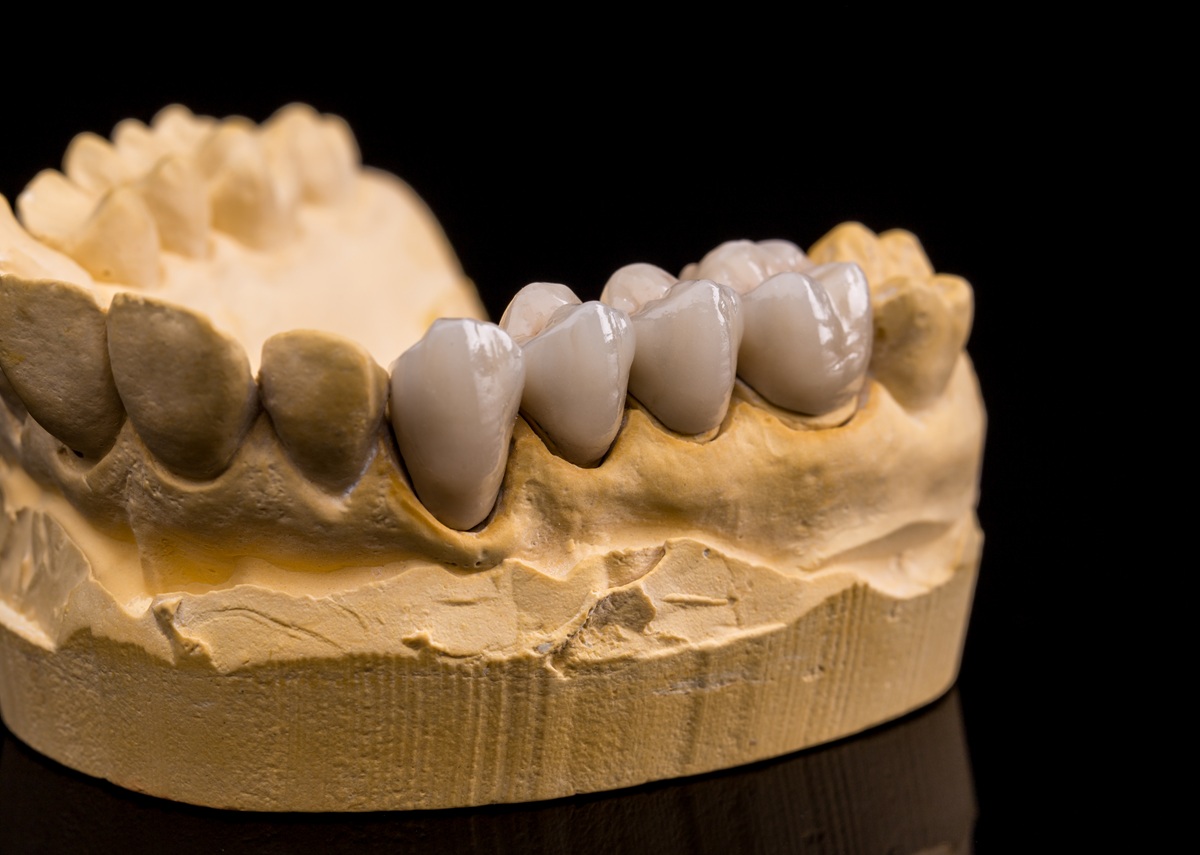
A dental bridge is a custom-made restoration that replaces one or more missing teeth by anchoring an artificial tooth between healthy neighboring teeth or dental implants. The bridge literally “bridges” the gap, restoring your smile while helping maintain proper bite alignment.
Each bridge is carefully designed to match your natural teeth in:
- Shape
- Size
- Color
- Bite alignment
When properly fitted, most people cannot tell the difference between a bridge and a natural tooth.
Does a Dental Bridge Feel Natural?
This is one of the first questions patients ask—and understandably so.
Initially, your bridge may feel slightly different simply because your mouth is adjusting to something new. This is completely normal.
Within a few days or weeks, most patients notice that:
- Eating becomes easier
- Speaking feels normal again
- The bridge feels like part of their natural smile
- Daily activities become effortless
Your tongue and cheeks quickly adapt, and before long, many patients forget they’re even wearing a bridge.
What Can You Expect During the Adjustment Period?
Everyone adjusts at a slightly different pace, but here’s what you may notice.
Mild Pressure
After placement, your bridge may feel snug. This is actually a good sign because it means it’s fitting securely.
The sensation usually disappears within several days.
Slight Speech Changes
Certain words may sound different at first, especially if the missing tooth was near the front of your mouth.
Reading aloud for a few minutes each day often helps your tongue adapt much faster.
Eating Feels Different
Soft foods are usually recommended during the first few days.
As your mouth becomes accustomed to the bridge, you can gradually return to your normal diet.
Is There Any Pain?
Most patients experience little to no pain after receiving a dental bridge.
You might notice:
- Minor tenderness around the prepared teeth
- Mild gum sensitivity
- Temporary soreness after the anesthetic wears off
These symptoms typically improve within a few days.
If discomfort continues beyond the expected healing period, your dentist can easily evaluate the fit and make small adjustments if needed.
How Comfortable Are Dental Bridges Long-Term?
A well-crafted bridge should be comfortable for many years.
Because every restoration is custom-made, it is designed to:
- Distribute chewing pressure evenly
- Prevent neighboring teeth from shifting
- Restore proper bite balance
- Support clear speech
- Improve chewing efficiency
Many patients report that they wish they had replaced their missing teeth sooner because of the improvement in everyday comfort.
Tips to Adjust Faster
Making a few small changes during the first week can make your transition much smoother.
Eat Softer Foods Initially
Choose foods such as:
- Scrambled eggs
- Yogurt
- Pasta
- Mashed potatoes
- Soup
- Cooked vegetables
Avoid extremely sticky or hard foods until your dentist confirms everything has settled properly.
Practice Speaking
Reading a newspaper, book, or magazine aloud for several minutes each day helps your mouth adjust naturally.
Keep It Clean
Cleaning around your bridge is essential.
Daily care includes:
- Brushing twice a day
- Flossing underneath the bridge using floss threaders or special bridge floss
- Using an antibacterial mouth rinse if recommended
Good oral hygiene helps keep both the bridge and supporting teeth healthy.
Attend Follow-Up Visits
Your dentist may recommend a follow-up appointment to ensure everything fits comfortably and functions correctly.
Even a tiny adjustment can significantly improve comfort if needed.
What If My Bridge Feels Uncomfortable?
While dental bridges are designed for comfort, you should contact your dentist if you notice:
- Persistent pain
- Difficulty biting
- A loose feeling
- Gum swelling
- Food constantly getting trapped
- Sharp edges rubbing against your tongue or cheeks
These issues are often easy to correct when addressed early.
Why Replacing Missing Teeth Matters
Living with missing teeth isn’t just a cosmetic concern.
Replacing missing teeth helps:
- Prevent surrounding teeth from shifting
- Maintain facial shape
- Improve chewing ability
- Support clear speech
- Reduce uneven wear on remaining teeth
- Restore confidence when smiling
Delaying treatment can sometimes lead to additional dental problems that require more extensive care later.
A Local Approach to Comfortable Care
People in Owasso lead active lives, whether it’s enjoying community events, dining with family, or cheering on local sports. Having a comfortable, functional smile makes these everyday moments easier and more enjoyable.
At Boyd Family Dentistry, treatment is personalized rather than rushed. Every dental bridge is carefully planned to match your bite, smile, and long-term oral health goals. If you’re exploring dental bridges in Owasso, a consultation gives you the opportunity to discuss your options, ask questions, and learn what solution best fits your needs.
Restore Comfort and Confidence
A dental bridge should do more than fill a gap—it should allow you to smile, eat, and speak with confidence every day. Although there is a brief adjustment period, most patients quickly find that a properly fitted bridge feels comfortable and natural.
If you’re ready to replace missing teeth or want to learn whether a bridge is the right option for you, schedule a consultation with Boyd Family Dentistry. A personalized evaluation can help you restore both your smile and your comfort with a treatment plan designed specifically for you.
Frequently Asked Questions
How long does it take to get used to a dental bridge?
Most patients adjust within a few days to two weeks, although everyone adapts at their own pace.
Can I eat normally with a dental bridge?
Yes. After the initial adjustment period, most people return to eating their favorite foods comfortably.
Will people notice I have a bridge?
Modern bridges are custom-made to blend naturally with your existing teeth, making them difficult for others to notice.
How long do dental bridges last?
With proper oral hygiene and regular dental checkups, many bridges last 10 to 15 years or even longer.
Do dental bridges require special care?
Yes. Daily brushing, flossing around the bridge, and routine professional cleanings help keep both the restoration and supporting teeth healthy.