PAY ONLINE


What to Expect During a Dental Crown Procedure


Posted By: Boyd Family Dentistry | August 6, 2026
A damaged, weakened, or badly decayed tooth can make everyday activities like chewing uncomfortable. In some cases, a filling may not provide enough support. That is where a dental crown can help restore the tooth and protect it from further damage.
If your dentist has recommended a crown, you may be wondering what actually happens during the procedure. Will it hurt? How long will it take? What should you expect afterward?
At Boyd Family Dentistry, we focus on making your dental care comfortable, clear, and personalized to your needs.
Think a crown may be right for you? Contact us today to schedule a consultation and learn about the best option for your smile.
Why Might You Need a Dental Crown?
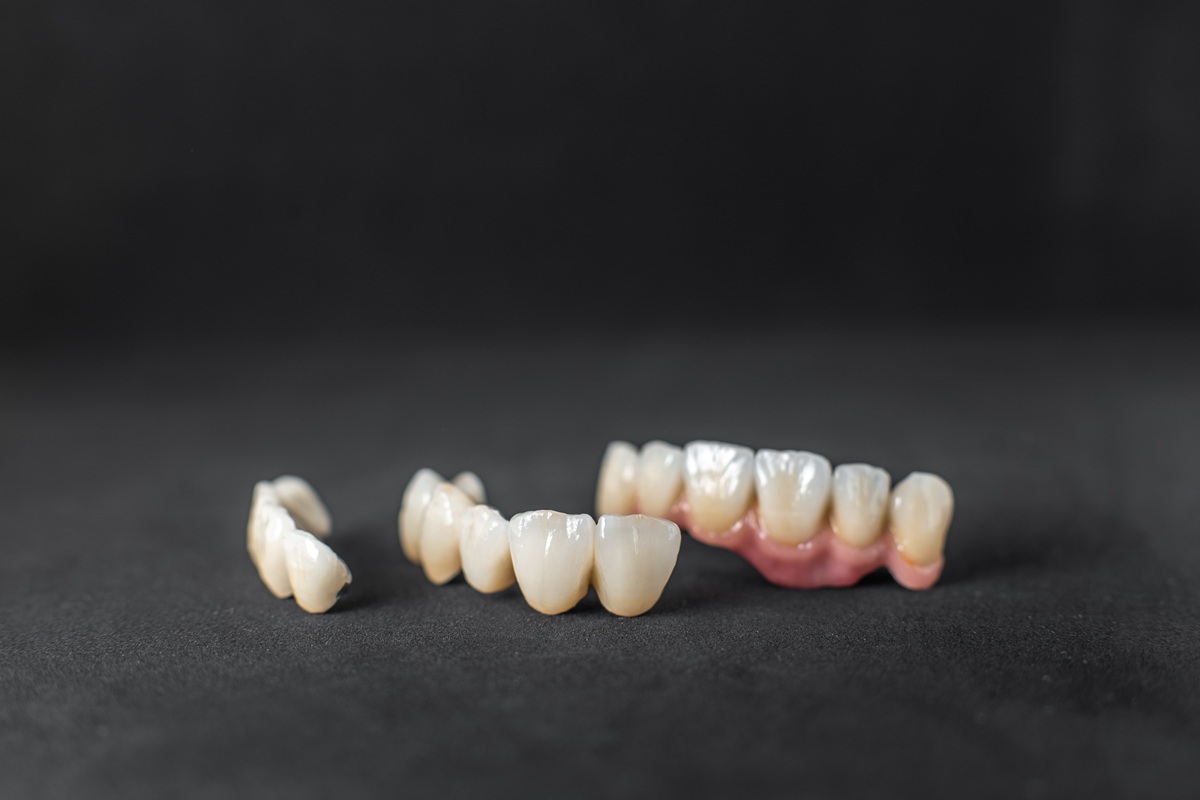
A crown is a tooth-shaped restoration that fits over a prepared tooth. It can help restore its shape, strength, function, and appearance.
Your dentist may recommend one when a tooth has:
- Extensive decay that cannot be repaired with a filling
- A large or damaged filling
- A crack or fracture
- Significant wear
- Undergone root canal treatment
- Cosmetic concerns that require additional protection
The right treatment depends on the condition of your tooth, your bite, and your overall oral health.
Step 1: Your Dental Examination
Before preparing your tooth, your dentist will examine it carefully. This may include X-rays to check the tooth structure and the surrounding bone.
This appointment is also a good time to ask questions. For example:
“Is a crown the best option for my tooth?”
“What type of crown would you recommend?”
“How long should I expect it to last?”
Your dentist can explain your options and help you understand what to expect before treatment begins.
Step 2: Numbing the Tooth
Once you are ready for dental crown treatment, the area around the tooth will be numbed with a local anesthetic.
You may feel a small pinch when the anesthetic is administered, but the tooth and surrounding area should become comfortably numb before the procedure continues.
If you are nervous about dental treatment, let your dental team know. Simply discussing your concerns beforehand can make the appointment more comfortable.
Step 3: Preparing the Tooth
The dentist will carefully remove damaged or decayed portions of the tooth and shape it so the crown can fit securely over it.
The amount of tooth preparation varies depending on the type of crown and the condition of your tooth.
Your dentist will also check your bite to make sure there is enough room for the crown without affecting how your upper and lower teeth come together.
Step 4: Taking Impressions or Digital Scans
Next, your dentist needs an accurate representation of your teeth.
Depending on the office and treatment approach, this may involve traditional impressions or a digital scan. The information is used to create a crown that fits your tooth and blends naturally with your smile.
Modern digital scanning can make this part of the process much more convenient for many patients.
Step 5: Getting a Temporary Crown
In some cases, a temporary crown is placed while your permanent restoration is being made.
The temporary crown protects the prepared tooth and allows you to continue eating and speaking normally while you wait for the final crown.
During this period, be a little careful with particularly sticky or hard foods, and follow the care instructions provided by your dentist.
Step 6: Placing the Permanent Crown
Once your permanent crown is ready, you will return for the final appointment.
Your dentist will remove the temporary crown, check the new restoration, and carefully place it over your tooth. The fit, shape, color, and bite will be evaluated before it is permanently secured.
The goal is for the finished crown to feel comfortable and look natural alongside your surrounding teeth.
Is Getting a Crown Painful?
Most patients do not experience significant pain during the procedure because the tooth is numbed beforehand.
It is normal to experience some sensitivity or mild soreness after treatment, particularly once the anesthetic wears off. This typically improves as your mouth adjusts.
If discomfort continues, becomes severe, or your bite feels noticeably uneven, contact your dental office so the crown can be evaluated.
Caring for Your Crown After Treatment
A crown does not mean you can forget about the tooth underneath it. Good oral hygiene remains important.
Keep your crown healthy by:
- Brushing twice a day with fluoride toothpaste
- Flossing or cleaning between your teeth every day
- Limiting frequent sugary snacks and drinks
- Avoiding chewing extremely hard objects
- Keeping regular dental checkups
- Contacting your dentist if the crown feels loose, cracked, or uncomfortable
For families in and around Owasso, maintaining regular dental visits can make it easier to catch problems before they become more complicated.
How Long Does the Procedure Take?
The timeline depends on your specific situation and the type of restoration being used. Some patients may need more than one appointment, while certain dental offices offer technology that can streamline parts of the process.
Your dentist can give you a more accurate timeline after examining your tooth.
Choosing the Right Dental Care for Your Smile
If you have a cracked, weakened, or heavily damaged tooth, putting off treatment may allow the problem to become more difficult to manage.
At Boyd Family Dentistry, patients looking for a dental crown can discuss their concerns, treatment options, and expected results with a dental professional. A personalized examination is the best way to determine whether a crown is appropriate for your tooth.
Ready to find out what your tooth needs? Contact Boyd Family Dentistry to schedule a consultation and take the next step toward restoring your smile.
Frequently Asked Questions
1. How long does a dental crown last?
With proper care, a crown can provide many years of service. Its lifespan depends on factors such as oral hygiene, bite forces, the condition of the supporting tooth, and regular dental care.
2. Can I eat normally after getting a crown?
You may want to wait until the numbness wears off before eating so you do not accidentally bite your cheek or tongue. If you have a temporary crown, your dentist may recommend avoiding particularly sticky or hard foods.
3. Will my crown look like a natural tooth?
Many modern crowns are designed to closely match the color and shape of your natural teeth. Your dentist will consider your surrounding teeth when selecting the appearance of your restoration.
4. What happens if my crown feels too high?
If your bite feels uneven after the crown is placed, tell your dentist. A small adjustment may be needed to help the crown feel comfortable when you bite and chew.
5. Do crowned teeth still need to be flossed?
Yes. Although the crown covers the tooth, the gumline and surrounding teeth still need regular cleaning to help prevent plaque buildup and gum problems.
6. Should I get a crown for every cracked or damaged tooth?
Not necessarily. Treatment depends on how severely the tooth is damaged and whether enough healthy tooth structure remains. Your dentist can determine whether a crown, filling, or another treatment is appropriate.