PAY ONLINE


Can a Dental Crown Save a Cracked Tooth?


Posted By: Boyd Family Dentistry | June 18, 2026
You bite into your favorite snack and suddenly feel a sharp pain. Maybe you’ve noticed a small crack in your tooth while brushing or experienced discomfort when chewing. It’s easy to hope the problem will go away on its own, but a cracked tooth rarely heals without professional treatment.
The good news? In many cases, a dental crown can protect the damaged tooth, restore its strength, and help you avoid more extensive procedures later. The key is getting the crack evaluated before it worsens.
If you’ve been searching for Dental Crowns, understanding how crowns work can help you make an informed decision about your oral health.
At Boyd Family Dentistry, we’re committed to helping you protect and restore your smile with personalized, high-quality dental care. Contact us today to schedule your consultation and find out whether a dental crown is the right solution for your cracked tooth.
What Happens When a Tooth Cracks?
Teeth are incredibly strong, but they aren’t indestructible. Everyday wear, accidental injuries, or even biting something unexpectedly hard can create cracks.
Common causes include:
- Chewing ice, hard candy, or popcorn kernels
- Teeth grinding (bruxism)
- Sports or accidental injuries
- Large, old fillings weakening the tooth
- Sudden temperature changes from very hot and cold foods
- Natural aging and years of daily use
Some cracks are tiny and only affect the outer enamel, while others extend deeper into the tooth. The deeper the crack goes, the more serious the problem becomes.
Signs Your Tooth May Be Cracked
A cracked tooth isn’t always visible. Many people notice symptoms before they ever see the damage.
Watch for signs such as:
- Pain when biting down
- Sensitivity to hot, cold, or sweet foods
- Sharp pain that comes and goes
- Swollen gums near one tooth
- Discomfort while chewing
- A rough or uneven edge you can feel with your tongue
Because symptoms often appear intermittently, it’s important not to ignore them. Early treatment usually leads to better outcomes.
How Can a Dental Crown Help?
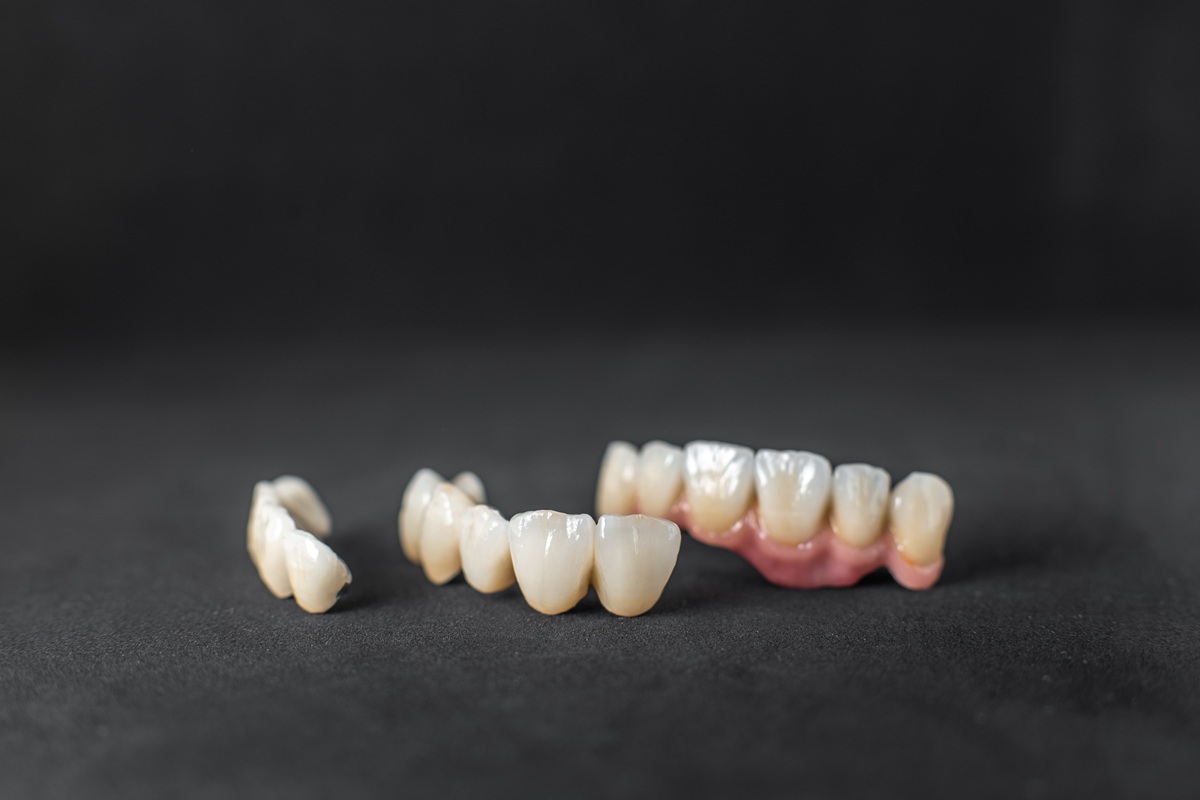
A dental crown is a custom-made cap that completely covers the visible portion of a damaged tooth. Instead of simply filling the crack, the crown holds the tooth together and protects it from additional stress.
A crown can:
- Restore the tooth’s natural shape
- Strengthen weakened enamel
- Prevent existing cracks from spreading
- Improve chewing comfort
- Restore your smile’s appearance
- Extend the life of the natural tooth
Think of a crown as a protective helmet for your tooth. It absorbs the pressure from everyday biting and chewing, reducing the chance of further damage.
When Is a Crown the Right Solution?
Not every cracked tooth requires a crown, but many do.
A dentist may recommend one if:
- The crack extends beyond the enamel
- A large portion of the tooth is damaged
- The tooth has a large filling and has become weak
- Pain occurs while chewing
- The tooth recently had root canal treatment
- The structure can still be preserved
However, if the crack extends below the gum line or splits the tooth into separate pieces, extraction may sometimes be the only option.
That’s why early diagnosis is so important.
What Happens During Treatment?
Many patients are surprised by how straightforward the process can be.
Here’s what typically happens:
1. Comprehensive Examination
Your dentist examines the tooth, takes digital X-rays if needed, and determines how extensive the crack is.
2. Tooth Preparation
A small amount of enamel is reshaped to make room for the crown while preserving as much healthy tooth structure as possible.
3. Impressions
Digital scans or impressions are taken to create a custom crown that fits comfortably and matches your natural teeth.
4. Temporary Protection
A temporary crown may be placed while your permanent restoration is being fabricated.
5. Final Placement
Once ready, the permanent crown is bonded securely into place and adjusted for a comfortable bite.
Can Every Cracked Tooth Be Saved?
Unfortunately, no.
Treatment depends on:
- The depth of the crack
- Whether the nerve is affected
- The location of the damage
- Overall tooth health
- How soon treatment begins
Minor cracks have an excellent chance of being preserved. Waiting too long can allow bacteria to enter the tooth, leading to infection or additional fractures.
If you’ve been experiencing discomfort, don’t wait until the pain becomes severe.
How to Protect Your Crown—and Your Tooth
Once your tooth has been restored, a few healthy habits can help it last for many years.
Follow these simple tips:
- Brush twice daily with fluoride toothpaste.
- Floss carefully around the crown.
- Avoid chewing ice or hard objects.
- Wear a night guard if you grind your teeth.
- Schedule routine dental checkups.
- Address bite problems before they cause additional damage.
Good preventive care helps protect both crowned teeth and your natural ones.
Local Care You Can Count On
Living in a growing community means busy schedules, family activities, and plenty of reasons to keep your smile healthy. Whether you’re heading to work, attending school events, or enjoying local parks and restaurants, chewing comfortably shouldn’t be something you have to think about.
Regular dental exams can catch small cracks before they become larger problems. Seeking care early often means simpler treatment, less discomfort, and a better chance of preserving your natural tooth.
If you’re considering dental crowns in Owasso, an evaluation can determine whether a crown is the best option for restoring your smile before the damage progresses.
When Should You Schedule an Appointment?
Don’t ignore symptoms if you notice:
- Pain while chewing
- A chipped or cracked tooth
- Ongoing tooth sensitivity
- Swelling around one tooth
- A filling that keeps breaking
- A tooth that feels weaker than before
Prompt care can often prevent more extensive treatment later.
Protect Your Smile Before the Crack Gets Worse
A cracked tooth doesn’t always mean you’ll lose it. When treated early, a dental crown can often restore strength, protect the remaining tooth, and help you enjoy comfortable chewing again.
If you’ve noticed pain, sensitivity, or a visible crack, don’t wait for the problem to become more serious. Schedule a consultation with us to receive a thorough evaluation and personalized treatment plan. Taking action today could help save your natural tooth and keep your smile healthy for years to come.
Frequently Asked Questions
Can a cracked tooth heal on its own?
No. Unlike bones, teeth cannot repair cracks naturally. Professional treatment is usually needed to prevent the damage from worsening.
Does getting a dental crown hurt?
The procedure is typically performed with local anesthesia, making it comfortable for most patients. Mild soreness afterward usually resolves quickly.
How long do dental crowns last?
With proper care and regular dental visits, many crowns last 10–15 years or even longer.
Will the crown look natural?
Yes. Modern crowns are designed to closely match the size, shape, and color of your surrounding teeth.
Can I eat normally after getting a crown?
Yes. Once the permanent crown is securely placed, most patients can return to eating their normal diet while avoiding excessively hard foods.